
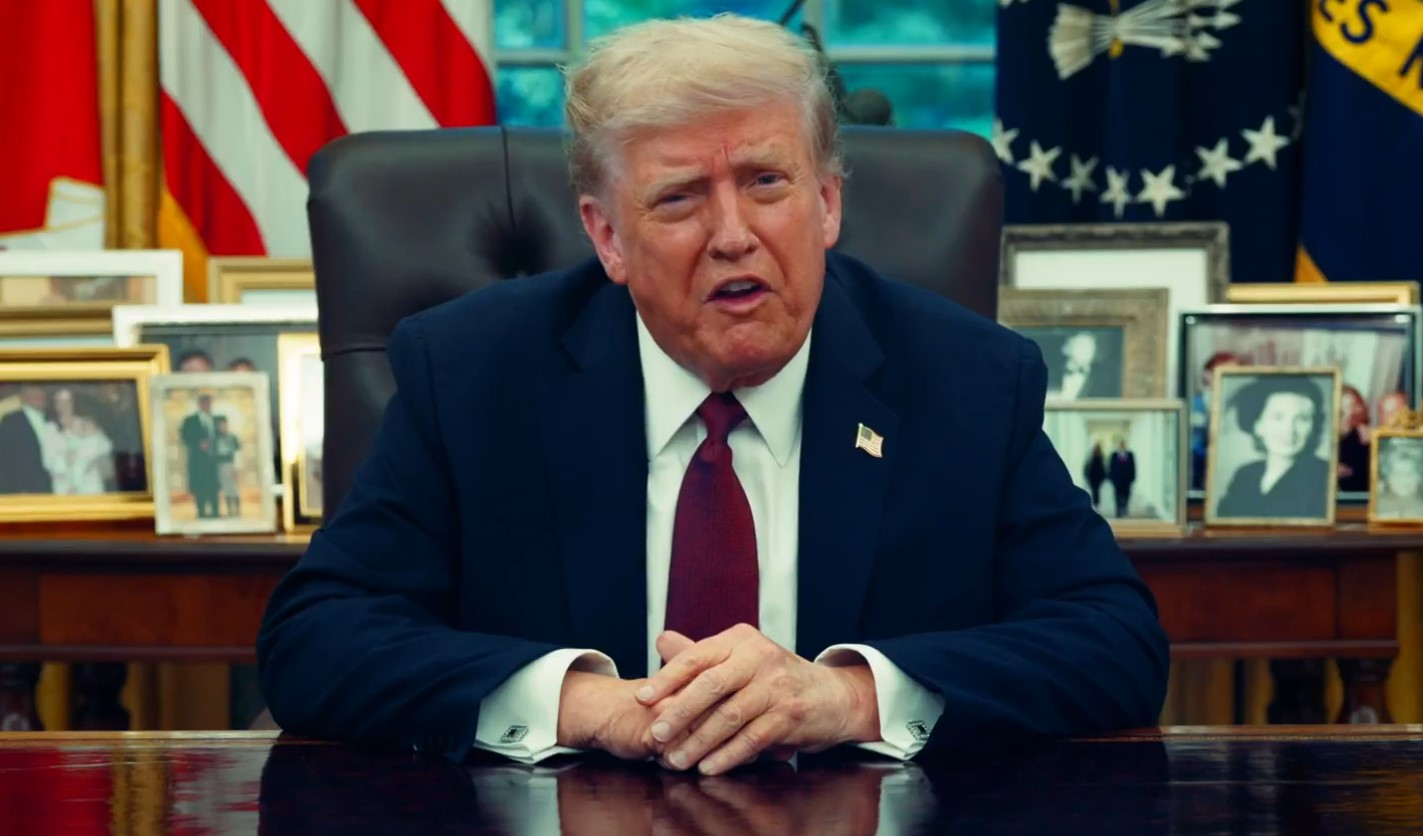
The administration of Donald Trump has launched a new trade investigation targeting excess industrial capacity in 16 major trading partners, including India, China and the European Union. The move is aimed at rebuilding tariff pressure after the US Supreme Court struck down a key pillar of the administration’s global tariff program. US Trade Representative Jamieson Greer said the probe under Section 301 of the Trade Act of 1974 could lead to new tariffs by the summer on economies Washington believes are contributing to global manufacturing overcapacity.
Countries under investigation
The investigation will cover 16 economies including China, the European Union, India, Japan, South Korea and Mexico. Other economies in the probe include Taiwan, Vietnam, Thailand, Malaysia, Cambodia, Singapore, Indonesia, Bangladesh, Switzerland and Norway. Notably, Canada, the second-largest US trading partner has not been included in the investigation. According to Greer, the probe will focus on economies where there is evidence of structural excess capacity in manufacturing sectors. Indicators being examined include persistent trade surpluses and production capacity that remains unused or underutilized
Factors being examined
US authorities will review several economic indicators to determine whether certain economies are contributing to global manufacturing imbalances. These include large current account surpluses, government subsidies for industries, suppressed domestic wages and subsidised lending. The investigation will also assess the role of state-owned enterprises, currency practices and whether weak environmental and labour standards provide an unfair competitive advantage in global markets.
Separate probe on forced labour
Greer also announced that the US plans to initiate another Section 301 investigation focusing on imports produced using forced labour. This probe could potentially cover more than 60 countries. The US previously imposed restrictions on goods linked to alleged forced labour in China’s Xinjiang region under the Uyghur Forced Labor Protection Act, which was signed into law by former US President Joe Biden.
US authorities have accused Chinese officials of operating labour camps for ethnic Uyghurs and other Muslim minorities in the region, allegations that Beijing has denied. Washington is now pushing trading partners to adopt and enforce similar bans on forced-labour goods under US trade rules.
Timeline linked to temporary tariffs
The investigation is expected to move quickly, as the administration aims to complete it before temporary tariffs imposed earlier this year expire in July. On February 20, the US Supreme Court ruled that global tariffs imposed by Trump under a national emergency law were illegal, effectively dismantling the legal foundation of the administration’s earlier tariff program.
Following the ruling, Trump introduced temporary duties of 10% for 150 days under Section 122 of the Trade Act of 1974. The measure allowed the administration to maintain tariff pressure while seeking alternative legal mechanisms. Public comments on the new investigation will be accepted until April 15, and a public hearing is expected around May 5.
Tariffs remain central to US trade strategy
Administration officials say tariffs remain a key tool in addressing trade imbalances and protecting domestic industries. Greer said the investigations had been anticipated for some time and should not surprise US trading partners. He added that Trump remained committed to using tariffs to address unfair trade practices, reduce the US trade deficit and strengthen domestic manufacturing.
Focus on global manufacturing overcapacity
The probe also reflects long-standing concerns in Washington about state-supported manufacturing that produces large volumes of goods at prices below market levels. According to Greer, the investigation will assess whether production that is not aligned with market demand is distorting global trade flows and harming US manufacturers.
Diplomatic context
The investigation comes as US officials, led by Treasury Secretary Scott Bessent, prepare to meet Chinese counterparts in Paris ahead of a planned meeting between Trump and Chinese President Xi Jinping in Beijing later this month. During his first term, Trump also used a Section 301 investigation to justify tariffs of about 25% on a wide range of Chinese imports, triggering a prolonged US-China trade dispute. The Section 301 mechanism is widely considered legally robust and has historically withstood court challenges, making it a key instrument in US trade enforcement policy.
 TheIndicWing Team