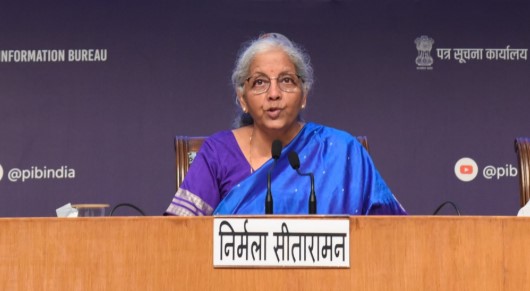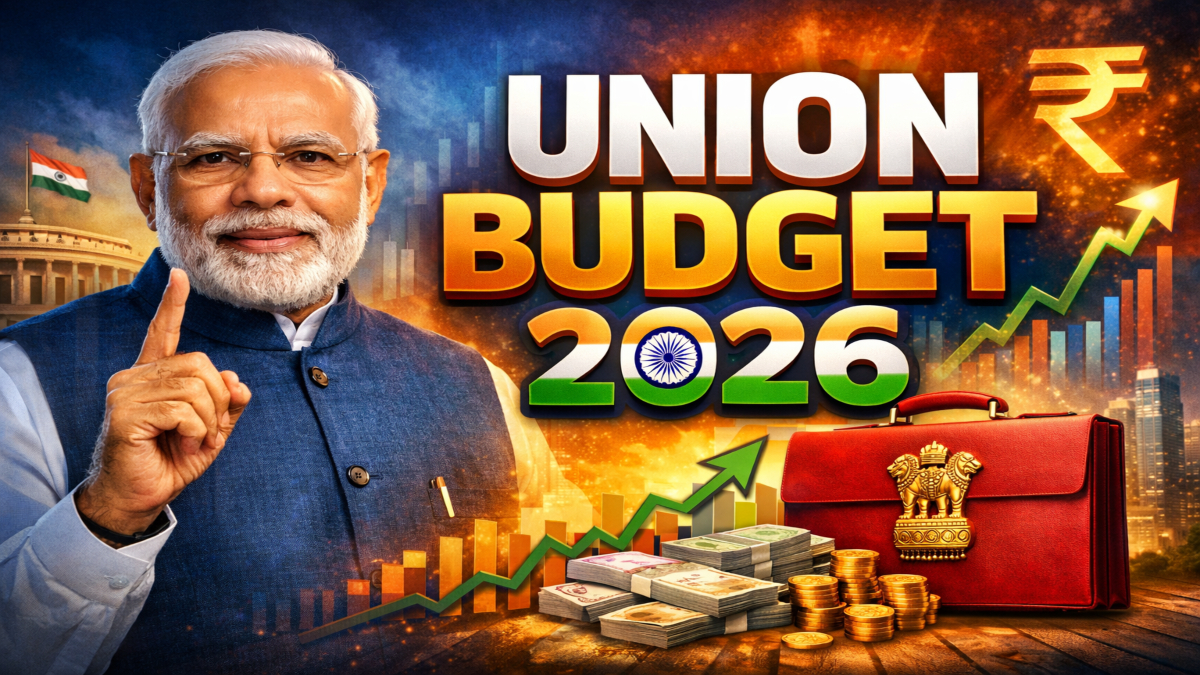
Union Finance Minister Nirmala Sitharaman recently chaired a crucial pre-Budget consultation meeting with finance ministers and representatives from states and Union Territories in New Delhi, marking a key step in preparations for the Union Budget 2026. This gathering, held on January 9, 2026, underscores the government’s commitment to collaborative federalism by incorporating regional inputs on fiscal priorities, economic challenges, and policy reforms ahead of the Budget presentation. The session aligns with the ongoing Budget process for the fiscal year, focusing on sustainable growth amid India’s robust macroeconomic environment.
The meeting comes at a pivotal time as India navigates post-reelection dynamics under President Donald Trump’s administration in the USA, influencing global trade and investment flows that impact domestic priorities like manufacturing and exports. States voiced concerns over fund devolution, infrastructure funding, and sector-specific demands such as agriculture, MSMEs, and urban development, building on earlier consultations in Jaisalmer in December 2024 where chief ministers from Goa, Haryana, and others participated alongside Union Minister of State Pankaj Chaudhary. Sitharaman highlighted the increased tax buoyancy and efficiency, noting that devolutions to states under the 15th Finance Commission from April 2021 to December 2024 surpassed those under the 14th Commission over a longer period, signaling fiscal health.
Key discussion themes included enhancing intra-state transmission capacity, electricity distribution reforms, and incentives for innovation and job creation, reflecting states’ push for measures to bolster economic stability. With the Budget Session of Parliament scheduled from January 28 to February 13 and March 9 to April 2, the Union Budget 2025-26 or potentially labeled for 2026-27 presentation will be tabled on an unprecedented Sunday, February 1, 2026, following the Economic Survey on January 20. This timing, approved by President Droupadi Murmu, accommodates the unique parliamentary calendar while ensuring timely fiscal roadmap delivery.
Stakeholders anticipate emphasis on skilling 100% of the labor force, meaningful employment generation, and FDI-friendly policies in insurance and consumer sectors, aligning with the user’s interests in taxation, government policies, and market updates. Earlier pre-Budget exercises engaged farmers, economists, and MSMEs, ensuring a holistic approach. As Sitharaman prepares for her ninth consecutive Budget speech, expectations rise for tax relief, capex boosts, and state-specific allocations to drive Viksit Bharat by 2047.
These consultations exemplify inclusive policymaking, where state suggestions on GST tweaks, disaster relief, and green energy could shape allocations estimated at Rs 34.96 lakh crore in receipts and Rs 50.65 lakh crore in expenditure. For professionals in financial services like those at Vijay Mantri Financial Services, this signals opportunities in mutual funds tied to infra and employment schemes. The process reinforces India’s fiscal resilience, positioning the Budget as a growth catalyst amid global uncertainties.