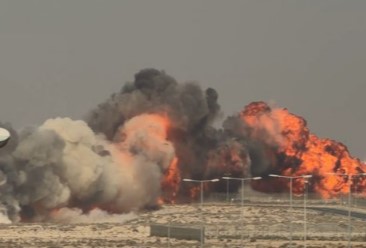
A Light Combat Aircraft (LCA) Tejas fighter jet that crashed during an air show in Dubai was performing a negative G turn moments before it hit the ground, according to aviation experts who analysed early video footage of the incident. The Indian Air Force (IAF) confirmed that the pilot lost his life in the crash.
Although the exact cause will be known only after a detailed investigation, visuals from the event show the aircraft completing a loop and then suddenly losing altitude while attempting to level out. This rapid drop appears to have happened immediately after the negative G manoeuvre.
What is a negative G turn?
Negative G refers to forces that push the aircraft and the pilot upward relative to the cockpit, opposite to normal gravitational pull. These forces typically occur during aerobatic stunts, steep descents, or turbulence.
If not handled correctly, negative G can cause temporary disorientation or even loss of consciousness, as blood tends to rush toward the head. Fighter pilots are specially trained to manage such forces, but the aircraft’s control systems must also respond precisely.
About the aircraft
The Tejas involved in the crash belonged to a squadron based in Sulur, Tamil Nadu, and had been flying since 2016. Considered India’s most modern light fighter jet, Tejas recently became the frontline aircraft of the IAF after the retirement of the ageing MiG-21 fleet.
Despite the accident, Tejas has one of the best safety records in the Air Force. This crash is only the second in 24 years. The first happened in March 2024 in Rajasthan’s Jaisalmer—23 years after Tejas completed its maiden flight in 2001.
Why Tejas is designed to be unstable
Tejas is intentionally built to be aerodynamically unstable to allow extreme agility during combat. This design, however, requires an advanced fly-by-wire flight control system to constantly stabilise the jet. Many modern fighters, including the American F-16, use the same unstable-but-agile design philosophy.
Investigators will now examine flight data, video recordings, and equipment performance to determine the exact sequence of events that led to the fatal crash.