Bangladesh has handed down its toughest-ever verdict against a former leader, sentencing ex-Prime Minister Sheikh Hasina to death for alleged crimes against humanity linked to the 2024 student protests. The ruling, however, faces a major hurdle: Hasina has been living safely in India for over a year, beyond the reach of the tribunal that issued the sentence.
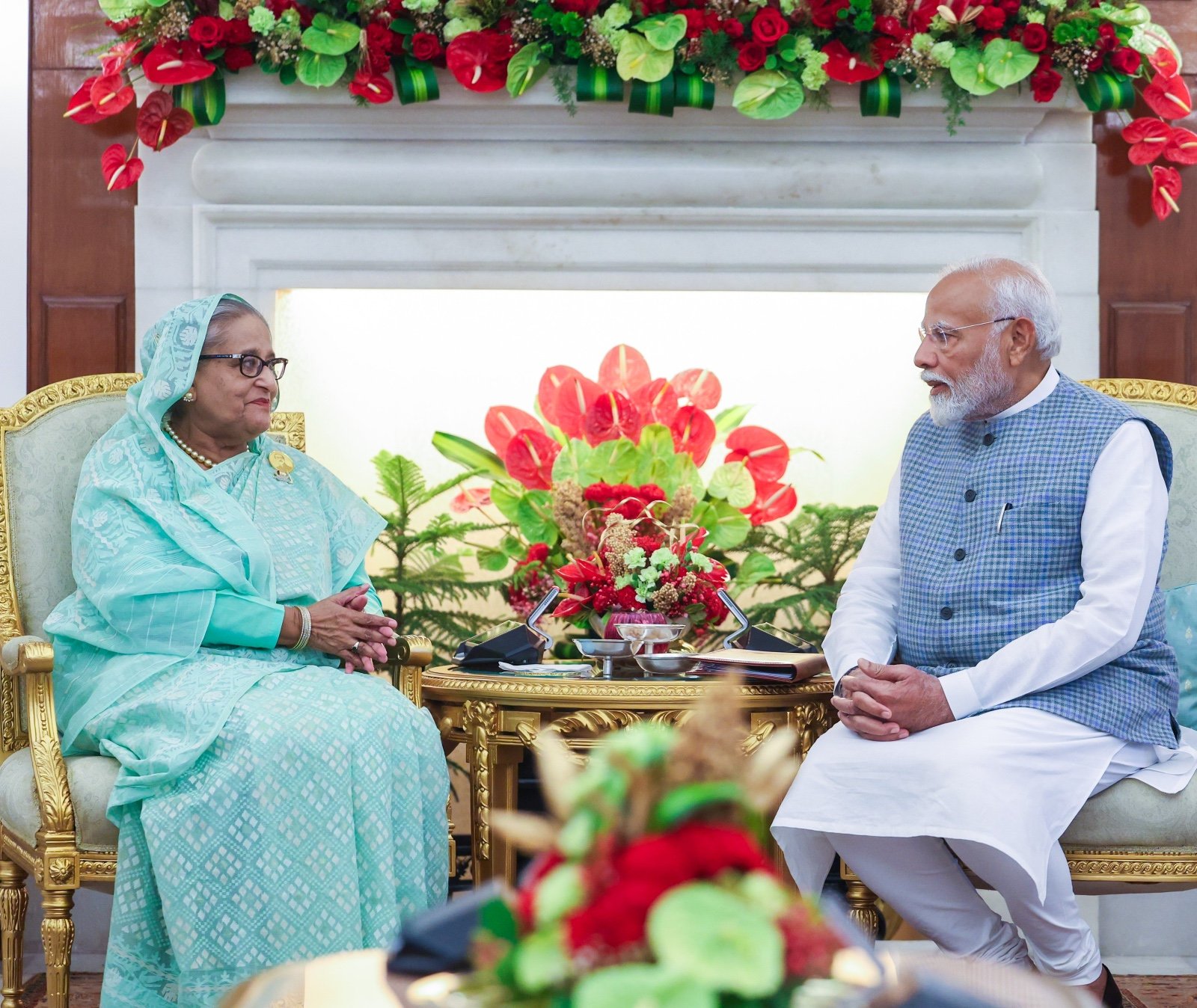
Since fleeing Bangladesh in August 2024 amidst mass protests and her government’s collapse, she has been under India’s protection and has not returned to Dhaka. Reports indicate she lives quietly but cautiously in a government-managed bungalow in the Lutyens’ Delhi area, with heavy security arranged by Indian intelligence and law enforcement agencies.
Sheikh Hasina has been sentenced to death in absentia by Bangladesh’s International Crimes Tribunal for crimes against humanity related to the deadly crackdown on student-led protests in 2024. Despite the harsh verdict, she remains outside Bangladesh’s legal reach, as she has not been extradited from India.
The new interim government in Bangladesh, led by Muhammad Yunus, has formally demanded her extradition, accusing her of ordering the violent suppression of protesters and calling the tribunal’s verdict a step towards justice for victims.
What will India do now?
However, the fate of Sheikh Hasina now largely depends on India’s response to Bangladesh’s extradition request. New Delhi faces a complex diplomatic and legal decision, weighing whether the trial was impartial and fair.
India could either agree to extradite her, deny the request citing risks of persecution or human rights violations, or delay the decision pending diplomatic negotiations. India’s treatment of the case will have significant implications for its bilateral relations with Bangladesh.
Sheikh Hasina herself has condemned the tribunal as “rigged” and politically motivated, denying the charges and calling the sentence a move by an unelected government to eliminate her party’s political influence. She has stated that she has no plans to return to Bangladesh unless a legitimate government that respects the constitution and law is established.
Her next steps may involve legal appeals if she ever returns to Bangladesh or is extradited, but currently, she remains under India’s protection, with her political future and personal safety dependent on ongoing diplomatic and legal considerations.